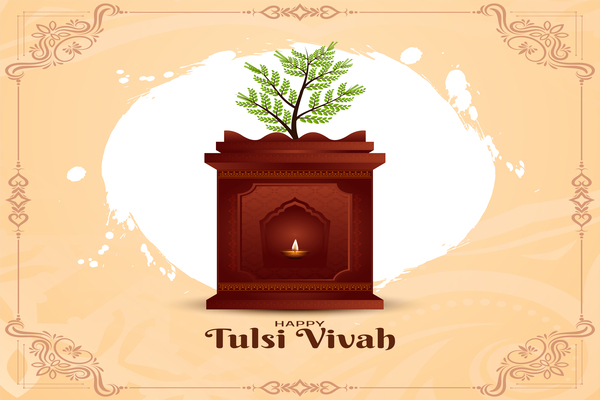
Significance Of Tulsi Vivah: Unfolding Eternal Love & Story of Devotion
Among the most heart-touching celebrations in Sanatan Dharma, Tulsi Vivah radiates the fragrance of eternal love and surrender. This sacred marriage between Goddess Tulsi (Vrinda Devi) and Lord Vishnu in the form of Shaligram marks the beginning of the Hindu wedding season, and also the awakening of divine devotion in every heart.
At Gauri Shankar Mandir, devotees gather with joy and reverence, witnessing how faith, love, and purity come together in this celestial union.
This year, the ritual of Tulsi Vivah 2025 will be observed on Nov. 3, 2025, Monday, during the Sukla Ekadashi.
The Sacred Story Of Tulsi Vivah
The story of Tulsi Vivah is rooted in deep devotion and sacrifice. According to the Padma Purana, Vrinda Devi, a devoted wife of the asura king Jalandhar, performed intense penance for his protection. Her unwavering chastity made Jalandhar invincible, even against the gods.
To restore cosmic balance, Lord Vishnu took the form of Jalandhar and appeared before Vrinda. When she realized the divine play, her heart shattered. Out of compassion, Vishnu transformed her into the sacred Tulsi plant, granting her immortality and eternal union with Him through Tulsi Vivah.
Thus, each year devotees celebrate this divine marriage — not merely as a ritual, but as a living reminder that true devotion transcends lifetimes.
Why Is Tulsi Vivah Celebrated?
1. Union Of Bhakti And Dharma
Tulsi embodies Bhakti (devotion) while Vishnu represents Dharma (cosmic order). Their union reflects the balance of faith and righteousness — the two forces that sustain the universe.
2. Symbol Of Purity And Surrender
The Tulsi plant purifies the air, the mind, and the soul. Offering prayers during Tulsi vivah cleanses karmic impurities and strengthens one’s inner connection to the Divine.
3. Beginning Of The Auspicious Season
Tulsi Vivah, celebrated on the Ekadashi of Kartik Shukla Paksha, signals the start of Hindu wedding festivities — a time when divine blessings flow abundantly into worldly unions.
4. Pathway To Moksha
According to the Skanda Purana, one who worships Tulsi Devi with devotion during her vivah attains divine merit equal to performing numerous yajnas — leading the soul closer to moksha (liberation).
How Devotees Celebrate Tulsi Vivah
At Gauri Shankar Mandir, Tulsi vivah is celebrated with grandeur and bhakti-filled rituals. The Tulsi plant is beautifully adorned as a bride, while the Shaligram (symbol of Vishnu) is dressed as a groom. Devotees perform:
- Kanyādān: Offering Tulsi to Vishnu as a daughter in marriage.
- Mangalashtakam & Mantras: Reciting sacred hymns from the Vishnu Purana and Padma Purana.
- Arati & Prasad: Concluding the ceremony with collective prayers and blessings for family well-being.
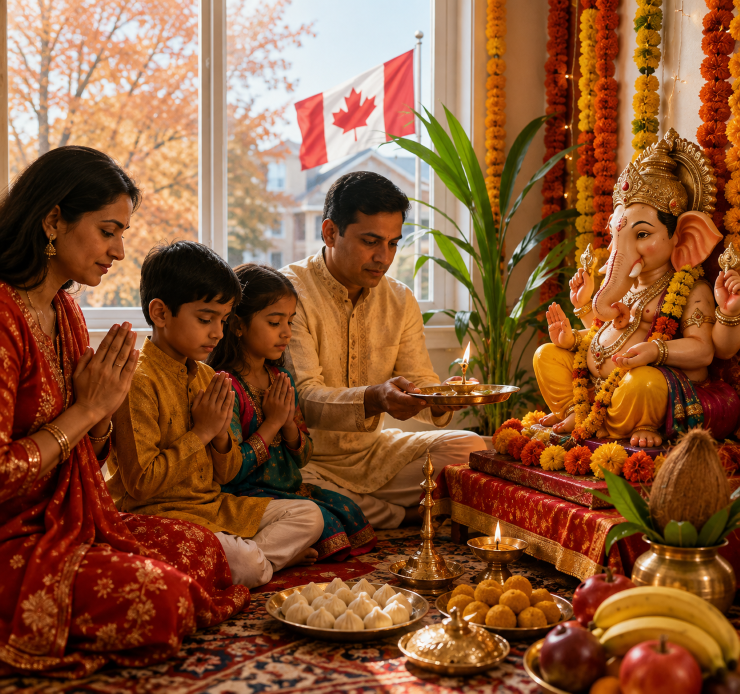
Those unable to attend in person can perform a simple home ceremony by offering flowers, incense, and heartfelt prayers before the Tulsi plant — for even one moment of true devotion reaches the Divine.
Deeper Lessons From Tulsi Vivah
- Devotion transcends form — Vrinda’s love became immortal through Tulsi.
- The Divine tests faith — yet every test brings transformation.
- Love and surrender purify karma — Tulsi vivah reminds us that purity of heart is the highest offering.
Every devotee who witnesses this sacred ceremony experiences a moment of inner awakening — a glimpse of divine love that never fades.
Embrace The Spirit Of Divine Love This Kartik Maas
Tulsi vivah is far more than a ritual — it’s a celebration of pure love, surrender, and divine harmony. It teaches us that devotion, when offered selflessly, unites the soul with the Supreme.
Learn more about upcoming pujas and rituals at our Hindu Temple in Brampton — deepen your connection with the Divine.
🙏 Frequently Asked Questions (FAQs)
Tulsi Vivah is observed on the Ekadashi of the bright fortnight (Shukla Paksha) in the month of Kartik, usually falling in October or November.
Tulsi is regarded as the earthly manifestation of Goddess Lakshmi and a symbol of purity. Worshipping her daily invites divine protection and harmony at home.
Yes. Devotees can perform the ceremony by decorating the Tulsi plant, placing a Shaligram or Vishnu idol beside it, and reciting prayers with devotion and purity.
Performing or witnessing Tulsi vivah in a temple environment amplifies its spiritual merit, as collective devotion magnifies the divine vibrations.
Common offerings include flowers, sandalwood paste, jaggery, rice, fruits, and sweets — symbolizing gratitude and surrender to the Divine Couple.