Vastu and Mental Health: How Your Space Affects Your Mind
The spaces we live in hold more power than we often realize. For centuries, Vastu Shastra has taught that physical environments carry energies that influence the mind, the body, and the spirit. Today, many Canadian homeowners are rediscovering these principles as they look for ways to create calmer, more balanced homes.
While modern life brings convenience and comfort, it also brings noise, clutter, and emotional strain. In this fast-paced setting, the ancient wisdom of Vastu offers gentle guidance — reminding us that harmony begins with the spaces closest to us. Whether someone visits a temple in Brampton, meditates daily at home, or simply tries to maintain a peaceful corner in their living room, the intention is the same: to nurture a healthier state of mind.
Why Vastu and Mental Health Are Deeply Connected
Vastu is not just architecture. It’s the science of placement, flow, and balance. It aligns human life with nature’s rhythms — sunlight, air, directions, and the subtle energies that surround us.
When a home reflects balance, the mind follows. When a space invites light, clarity, and order, our thoughts feel lighter. When the environment feels chaotic or misaligned, the mind often mirrors that same confusion.
Across many cultures, including here in Canada, homeowners are realizing the emotional effect of their surroundings. It’s why wellness design, meditation corners, and energy-conscious layouts are becoming more common — and Vastu naturally supports this growing interest in mindful living.
The Role of Light and Direction in Emotional Balance
Light has always been one of the strongest influences on mental well-being. Natural sunlight boosts serotonin, supports healthy sleep cycles, and creates an atmosphere of openness.
In Vastu, light carries divine energy. Spaces that allow fresh morning light bring clarity and calm, while darker, cluttered corners can feel heavy. For this reason, many people choose to do their morning prayers or meditation facing East, the direction of rising light and new beginnings.
Even in homes with limited sunlight — common in Canadian winters — simple changes like keeping windows unblocked, using warm lighting, or creating a dedicated prayer corner can uplift the atmosphere.
Cleanliness, Clutter, and the Mind
A clean, open home does more than please the eye. It reduces stress, helps regulate emotions, and creates a sense of mental space.
Vastu places strong emphasis on keeping entrances clear, pathways open, and prayer spaces undisturbed. Clutter not only disrupts physical movement but also interrupts the flow of energy. When items pile up, thoughts tend to feel crowded as well.
Homeowners who adopt even a few Vastu-inspired habits often notice a subtle shift — calmer mornings, clearer thinking, and a deeper sense of grounding.
The Power of a Dedicated Spiritual Space
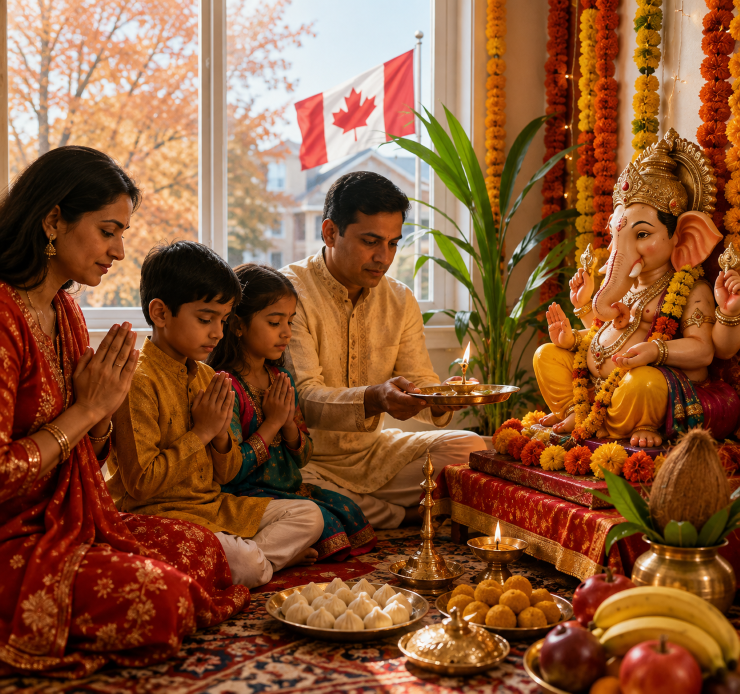
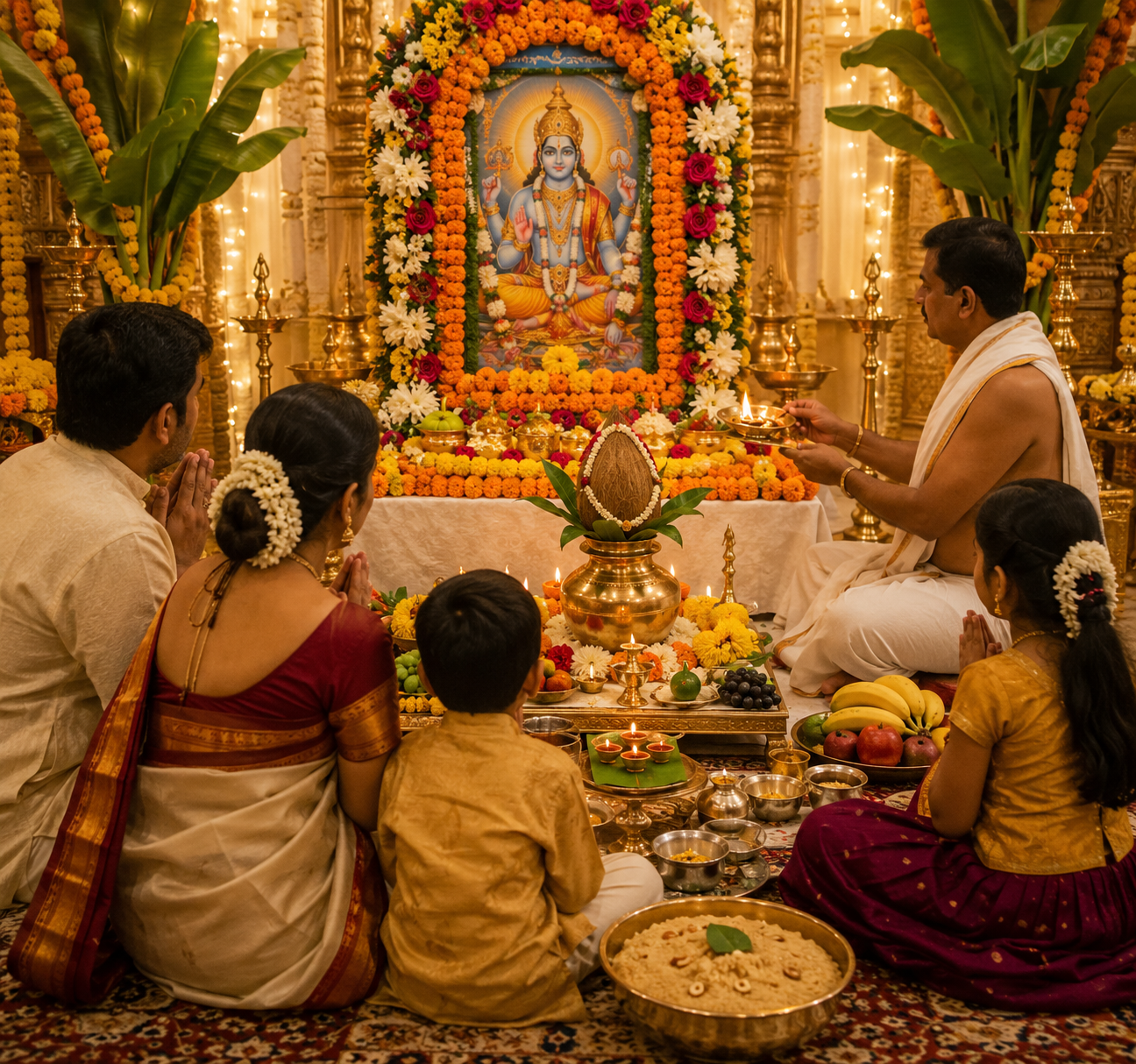
Many families, including those who visit a Hindu temple in Brampton, keep a small prayer corner at home. This space offers emotional support, stability, and a place to return to when life feels overwhelming.
A prayer area does not need to be elaborate. Even a simple shelf, kept clean and lit with a small diya, can create a powerful center of peace. According to Vastu traditions, placing this space toward the northeast brings a sense of purity and serenity, but the true power lies in devotion and consistency.
In today’s busy Canadian lifestyle, having a sacred space to pause — even for a minute — can make a profound difference.
Elements and Emotional Well-Being
Vastu incorporates the five natural elements — Earth, Water, Fire, Air, and Space. Each one influences mood and mental state in a different way.
- Earth provides grounding and stability
- Water calms the mind and brings flow
- Fire creates warmth, motivation, and energy
- Air supports clarity, breath, and movement
- Space offers openness and expansion
Balancing these elements in a home can help restore emotional balance. Something as simple as fresh air, a water fountain, warm lighting, or open space can help create an environment that supports mental peace.
Modern Homes, Ancient Wisdom
Canadian homes vary widely — from downtown condos to suburban houses. Vastu does not require major renovations. It adapts to modern living.
Small adjustments go a long way:
- Allowing natural light into shared spaces
- Keeping the northeast area clean and free of heavy objects
- Creating a quiet corner for meditation or prayer
- Choosing earthy, calming tones for bedrooms
- Keeping entrances well-lit and uncluttered
These simple shifts help create a home that feels warm, balanced, and emotionally supportive.
A Balanced Home Supports a Balanced Mind
A peaceful home creates a peaceful mind. Vastu offers gentle guidance to shape homes into places of clarity, rest, and spiritual warmth.
For those seeking deeper connection, harmony, and a sense of divine presence, visiting a temple in Brampton is a meaningful way to nurture spiritual and emotional well-being.
To learn more or seek guidance, contact Shri Gauri Shankar Mandir — a place where devotion and tranquility come together to support every seeker.
Frequently Asked Questions
1. How does Vastu support mental health?
Vastu enhances mental wellness by improving natural light, airflow, balance, and harmony within a space. When the home feels calm and ordered, the mind naturally follows.
2. Can Vastu be applied in small Canadian homes or condos?
Yes. Even small adjustments — such as reorganizing key areas, adding natural elements, or improving lighting — can bring positive changes to emotional well-being.
3. Do I need a full Vastu consultation to see benefits?
Not necessarily. Many people experience improved peace and clarity simply by applying basic principles like decluttering, aligning spiritual spaces, and maximizing light.
4. Is a prayer or meditation space important for mental health?
A dedicated spiritual corner provides emotional grounding and routine. It acts as a reminder to pause, breathe, and reconnect — which supports mental peace.5. Does direction truly matter in Vastu?
Directions influence natural elements like sunlight and airflow. While traditional directions hold meaning, intention and consistency are just as important in modern homes.