How to Build Strong Sanatan Values in Young Minds Today
Raising children with strong Sanatan values feels deeply important for many Indian families in Canada. Parents often want their children to grow into kind, grounded, thoughtful individuals who understand the spiritual roots of their culture. Yet, with school schedules, activities, and modern distractions, many parents wonder how to keep these values alive in everyday life.
If you feel this way, you’re already on the right path. Sanatan Dharma grows naturally in the home when parents choose small, meaningful practices and remain steady in their approach. A Hindu temple in Brampton also plays a key role in keeping children connected to their heritage, especially when extended family may be far away.
Below are gentle, practical ways to pass on timeless Sanatan values to the next generation.
Start With Simple, Daily Rituals
Children understand spirituality best through repetition and warmth. Short, daily rituals set a steady foundation.
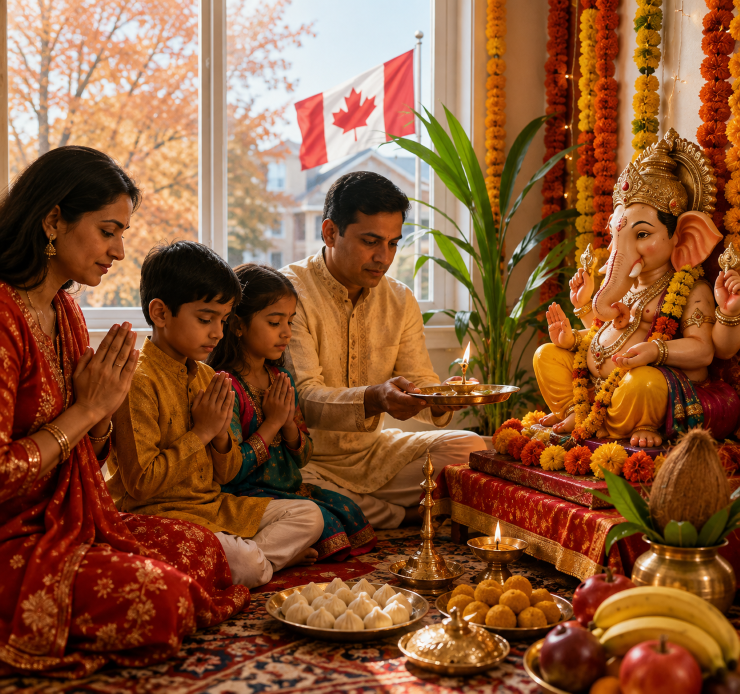
A simple morning “Om” or a brief aarti in the evening goes a long way. These moments help children see prayer as something natural, not ceremonial or difficult. Let them hold the bell, help light the lamp, or place flowers near the deity. Even small roles strengthen their connection to devotion.
Avoid overexplaining. Children learn beautifully through observation. What they see you do stays in their heart.
Tell Stories From the Epics
Sanatan stories carry lessons about courage, truth, respect, humility, and dharma. Storytelling has always been one of the most powerful ways to shape young minds.
You can share:
- tales of young Krishna’s joy and mischief
- Hanuman’s strength and loyalty
- Rama’s discipline and compassion
- Devi’s courage and grace
Children connect more with stories than with instructions. When they hear about dharma through characters they admire, the teachings feel alive rather than lectured.
Try reading one story every weekend or during bedtime. Ask simple questions: “What did you learn?” “What would you do?” These conversations help them absorb the deeper meaning.
Encourage Seva and Empathy
Sanatan Dharma places great importance on seva—selfless service. Children can practise it in very small ways.
They can:
- help pack food for donation
- feed birds or animals
- assist an elderly neighbour
- volunteer at a temple event
These acts give them a sense of responsibility and compassion. When children learn to care for others, they naturally become more patient, centred, and grateful.
Teach Respect For Nature
Children already have a natural bond with the environment. Sanatan Dharma treats nature as divine, which makes these teachings easy to share.
You can encourage them to:
- water plants
- spend time outdoors
- learn about the five elements
- show gratitude before meals
You don’t need long explanations. A simple line like, “This tree gives us shade. Let’s thank it,” makes them pause and think. These small thoughts shape a gentle, spiritual perspective that stays with them as they grow.
Bring Them to Community Events
A Hindu temple in Brampton can support parents by creating a spiritual environment outside the home. Children absorb a deeper sense of belonging when they hear chants, see traditional practices, and watch elders offer prayers together.
Temples also give them:
- a chance to meet other children
- a sense of cultural pride
- exposure to rituals they may not see at home
- familiarity with festivals and traditions
Many temples offer regular pujas, bhajan evenings, cultural programs, and children’s activities. They help young minds feel part of a community rooted in the same values.
If time is tight, you can also use online puja booking to include temple blessings in your family’s routine, even during busy weeks.
Allow Questions and Honest Conversations
Children often ask, “Why do we pray?” or “Why do we fold our hands?” or “Who is this deity?”
Welcome these questions. They show curiosity, not doubt. You can give simple answers that match their age and understanding.
Explain prayers as “moments that make our heart peaceful.”
Explain bowing as “showing respect to what is sacred.”
Explain gods and goddesses as “different forms of divine strength and love.”
You don’t need perfect answers. You only need sincerity.
Lead With Example, Not Instructions
Children sense more than they hear. When they see parents speak kindly, keep promises, treat elders with respect, and stay calm during challenges, they follow the same path.
Sanatan values grow through lived behaviour more than advice. A peaceful home filled with gratitude, discipline, and trust naturally teaches spirituality without forcing it.
Celebrate Festivals Together
Festivals are powerful teachers. Whether it’s Diwali, Holi, Navratri, or Janmashtami, each celebration brings a unique lesson.
You can explain:
- Diwali as the victory of light
- Holi as joy and renewal
- Navratri as devotion and strength
- Janmashtami as divine love
Let children take part in simple tasks—arranging diyas, helping with prasad, or learning a small bhajan. These experiences stay with them for life.
Conclusion: Keep the Light of Dharma Alive
Sanatan teachings grow best through warmth, consistency, and example. When parents create small spiritual habits at home and connect children to their roots through community and temple involvement, young minds grow strong, steady, and compassionate.
If you wish to deepen your child’s connection to dharma, plan your visit to Shri Gauri Shankar Mandir, a welcoming Hindu temple in Brampton where families gather for prayer, guidance, and spiritual grounding. You can also make use of online puja booking to bring blessings into your home anytime.
FAQs
Children absorb values from a very young age. Gentle rituals and stories work well even for toddlers.
You can visit weekly or monthly. Consistency matters more than frequency.
Use simple words, short stories, and real-life examples. Let the understanding grow naturally.
Keep rituals short and joyful. Avoid pressure. Children stay engaged when the environment feels warm and welcoming.
Yes. It allows families to stay connected to temple blessings even when they can’t visit in person.